
Mobile Home Vapor Barrier Repair and Installation
Of all the systems underneath a mobile home, the vapor barrier under the mobile home is probably the least thought about and the most consequential when it fails. It's a sheet of polyethylene plastic on the ground. It doesn't move, it doesn't make noise, and it doesn't do anything visible. But when it tears, deteriorates, or goes missing, everything above it pays the price: the insulation gets wet, the subfloor starts to rot, mold takes hold, pests move in, and the air quality inside the home drops. Every other crawlspace problem either starts with a failing mobile home moisture barrier or gets worse because of one.
If you're noticing musty smells, soft spots in the floor, or higher energy bills than usual, the barrier underneath your home may be the root cause. Get in touch and we'll take a look at what's actually going on down there.
What Your Vapor Barrier Protects Against
A properly installed vapor barrier is your crawlspace's first line of defence against three persistent threats that affect every mobile home in Florida. When the barrier is intact, these threats stay on the other side of it. When it fails, they move in.
Moisture
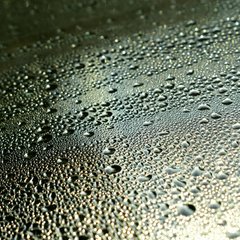
Ground moisture rises constantly through the soil underneath your home. Without a sealed barrier blocking it, that moisture enters the crawlspace, saturates insulation, warps floor joists, and softens your subfloor from below.

Mold
A damp crawlspace is the ideal environment for mold. Once moisture reaches the floor joists, insulation, and the underside of the subfloor, mold establishes quickly in the warm, dark space. Spores travel upward into the home and affect indoor air quality.
Pests
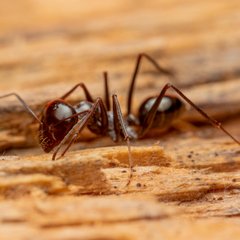
Rodents, insects, and other wildlife are drawn to damp crawlspaces. A torn or missing barrier gives them direct access to the underside of your home, where they damage wiring, tear apart insulation, and leave contamination behind.
What People Get Wrong About Vapor Barriers
There's a surprising amount of misunderstanding about what vapor barriers do, how they work, and when they need attention. Clearing up a few of the most common ones helps explain why this component matters as much as it does.
"It's just plastic on the ground. How important can it be?"
The ground underneath your mobile home is constantly releasing moisture into the air through evaporation. In Florida, where humidity is already high and the soil stays damp for most of the year, this ground moisture rises continuously into the crawlspace. Without a barrier blocking it, that moisture makes direct contact with every surface in the crawlspace: floor joists, insulation, ductwork, plumbing, electrical, and the underside of the subfloor. A single layer of polyethylene is the only thing standing between all of that and the wet ground below. It's simple, but it's doing critical work.
"My home has skirting, so moisture can't get in."
Skirting encloses the crawlspace and keeps out pests, wind, and debris. But it doesn't stop ground moisture. Moisture rises vertically from the soil directly beneath the home, not horizontally from outside the skirting perimeter. A fully skirted home with a damaged or missing vapor barrier will still develop moisture problems in the crawlspace. The skirting and the vapor barrier serve completely different functions and one cannot substitute for the other.
"The barrier was installed when the home was set up, so it should still be fine."
Factory-installed vapor barriers are often the cheapest material that meets the minimum standard. In a crawlspace where the barrier is exposed to foot traffic during inspections, pest activity, ground movement, moisture cycling, and years of UV exposure where gaps in the skirting let light in, that minimum-grade material has a limited lifespan. We regularly find original barriers that are torn in multiple places, bunched up from ground shifting, or so brittle they crumble when touched. "It was installed when the home was set up" doesn't mean it's still functioning.
"I only need a vapor barrier if I have a moisture problem."
By the time you notice a moisture problem inside the home (musty smell, soft floors, mold), the damage in the crawlspace has usually been developing for months. The vapor barrier is preventative. Its job is to stop moisture from entering the crawlspace in the first place, not to fix a problem after it's already happened. Waiting until you have visible symptoms means the insulation, subfloor, and potentially the floor joists have already been affected.
Repair vs. Replacement
Whether a vapor barrier needs a localised repair or a full replacement depends on how much of it is still intact and how well the remaining material is performing.
A repair makes sense when the damage is confined to a specific area. A tear from a contractor crawling underneath, a section chewed through by a rodent, or a localised area that pulled away from the skirting edge can be patched by overlapping new material over the damaged section and sealing the seams. The rest of the barrier stays in place.
Full replacement is the better option when deterioration is widespread. Multiple tears across different areas, material that has become brittle and fragile, edges that have pulled away from the frame throughout, or sections that are bunched and no longer making contact with the ground all point to a barrier that has reached the end of its useful life. Patching a barrier in this condition typically leads to callbacks within a year or two.
We assess the full barrier during the crawlspace inspection and give you a recommendation based on what we actually find. If a repair will hold and the rest of the barrier is in serviceable condition, that's what we'll suggest. If the barrier needs replacing, we'll explain why.
Mobile Home Vapor Barrier Installation: Material That Lasts
Not all vapor barrier material is the same. The factory-installed barriers that come with most manufactured homes are built to meet the minimum code requirement and nothing more. They do their job for a while, but they're not designed to withstand decades of exposure to Florida's crawlspace conditions.
We use reinforced polyethylene with an internal mesh layer that provides significantly greater puncture and tear resistance than standard smooth poly. This reinforcement means the barrier holds up against foot traffic during future inspections, minor ground shifting, and the general wear that comes with sitting on damp soil for years. It doesn't become brittle. It doesn't fall apart when someone crawls across it.
Every vapor barrier installation is secured to the frame of the home at the edges, not laid loosely on the ground. Seams between sheets are overlapped and sealed to create continuous, gap-free coverage. The goal is a barrier that performs as a permanent solution rather than material that needs replacing again in a few years.
What Else Gets Checked During a Vapor Barrier Job
Whenever we're underneath a home for vapor barrier work, we're already looking at everything else in the crawlspace. It doesn't make sense to install a new barrier and leave damaged insulation hanging above it, or to ignore ductwork that has separated at the joints, or to miss foundation issues that happen to be visible while we're down there.
We don't charge you for looking. If we see something that needs attention beyond the vapor barrier, we'll tell you about it and let you decide whether to address it at the same time or separately. Common things we flag during vapor barrier work include:
- Insulation that has fallen, sagged, or been damaged by moisture or pests
- Ductwork with separated joints, tears, or excessive sagging
- Pest entry points through the skirting or belly wrap
- Standing water or drainage issues that would compromise the new barrier
- Visible pier or foundation concerns (cracked blocks, leaning piers)
- Subfloor damage visible from underneath (discolouration, swelling, soft spots)
If you're dealing with multiple crawlspace issues, the crawlspace repair page covers how we approach the space as a full environment rather than treating each component in isolation.
Vapor Barriers and Compliance
A functioning vapor barrier is a requirement for HUD and FHA compliance. If you're selling your manufactured home and the buyer's lender requires an engineer's report, a missing or deteriorated vapor barrier will be flagged as a deficiency. It's one of the most common items on correction lists, and one of the most straightforward to resolve before a transaction stalls.
If You Don't Know What's Down There, That's the Problem
Most homeowners never look at their vapor barrier. They don't know what condition it's in, whether it's still intact, or whether it was ever installed properly in the first place. The symptoms of a failing barrier (musty odours, higher energy bills, soft spots in the floor, worsening allergies) are easy to attribute to other causes. By the time someone connects the dots, the insulation is usually saturated, the subfloor may be compromised, and the repair scope has expanded well beyond a simple barrier replacement.
If the crawlspace hasn't been checked in several years, it's worth having someone look. Call us and we'll assess the condition of the barrier and everything around it.
Check Your Crawlspace