
Mobile Home Underpinning in Florida
People searching for underpinning for a mobile home and people searching for skirting are often looking for the same thing, but not always. Skirting can mean a vinyl panel system you'd replace in a weekend. Underpinning usually means something with more permanence behind it: brick, block, or heavy-gauge metal built to read as a structural feature of the home rather than a cover panel around the base. If you're specifically after that more substantial option, this page is the right one.
Mobile home underpinning costs more upfront than vinyl skirting and takes longer to install. What it buys back is durability, resale perception, and in most cases, compliance headroom that lighter materials don't offer in the same way.
What Makes Underpinning Different From Skirting
The functional job is the same: enclose the crawlspace, keep pests and weather out, meet code. The difference is in what the material is and how it's installed. Underpinning typically means masonry or heavy metal systems anchored to a footing, not panels clipped to a track around the home's perimeter. That distinction matters for three reasons.
It changes how the home reads to a buyer. A mobile home with brick or block underpinning looks, from the street, considerably closer to a site-built house than one with vinyl panels, regardless of how well the vinyl was installed. For homeowners thinking about resale, this perception difference shows up in how quickly a home moves and sometimes in the price it commands.
It changes the maintenance timeline. Vinyl skirting in Florida's sun and salt air has a realistic lifespan measured in years. Brick and block underpinning, installed correctly, is measured in decades. The upfront cost is higher, but the replacement cycle that comes with lighter materials largely disappears.
And it changes how the crawlspace performs. Masonry underpinning provides a more stable thermal barrier than thin panel systems, and it's far more resistant to impact, wind, and the kind of incidental damage that lawn equipment and storms cause to vinyl over time.
Brick Underpinning for Mobile Homes
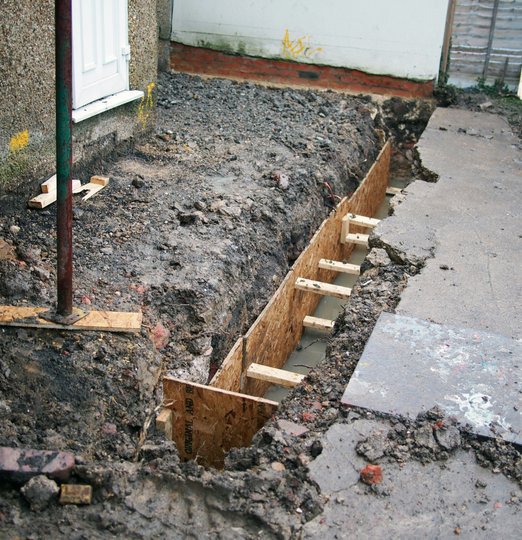
Brick underpinning is the option most homeowners picture when they think of a permanent enclosure. It's built on a poured footing around the home's perimeter, with the brick laid up to meet the bottom of the home's frame, leaving vent openings sized correctly for the crawlspace square footage.
Done properly, brick underpinning is essentially permanent. It doesn't crack from UV exposure, it isn't bothered by salt air the way metal is, and it won't warp or pull away from the home the way a vinyl panel can after a few Florida summers. The trade-off is upfront cost and installation time. A poured footing takes time to cure, and bricklaying is a slower, more labour-intensive process than clipping panels into a track. For homeowners planning to stay in the home long-term, or preparing it for a sale where appearance and permanence matter, that trade-off is usually worth it.
Metal Underpinning for Mobile Homes
Metal underpinning sits between vinyl skirting and full masonry in both cost and permanence. Heavy-gauge galvanised steel panels, properly anchored and backed, offer significantly more durability than standard skirting-grade metal without the cost or installation time of brick or block.
The consideration specific to Florida is corrosion. Galvanised coatings hold up well for years, but homes near the coast or in persistently humid areas will see the coating break down faster than homes further inland. Metal underpinning in these areas needs periodic inspection at seams, fasteners, and ground contact points, where corrosion typically starts first. It's a smaller maintenance commitment than vinyl, but it isn't zero the way brick or block effectively is.
Block and Concrete
Cinder block and poured concrete underpinning sit at the most durable end of the spectrum. Precast concrete panel systems are also available, which install faster than traditional block while still providing the permanence and appearance of a masonry product. Block and concrete resist pests, weather, and impact better than any other enclosure option, and represent the most significant long-term investment in the crawlspace enclosure.
The trade-off mirrors brick: higher upfront cost, longer installation, and the most difficult material to remove later if the crawlspace needs opening up for major foundation or plumbing work. For most homeowners, this is a choice made once and not revisited.
Underpinning and Compliance
HUD and FHA guidelines require the crawlspace to be fully enclosed with no gaps larger than the size of a dime, with the material durable and properly attached. Brick, block, and properly backed metal underpinning all meet this standard comfortably. This matters specifically for homeowners financing or selling through FHA, VA, or USDA programmes, where the lender's engineer's report will assess whether the enclosure meets the requirement.
Underpinning rarely shows up as a deficiency on these reports, which is one of the practical advantages of choosing it over lighter materials in the first place. Once it's installed correctly, it tends to stay compliant without revisiting.
When Underpinning Makes More Sense Than Skirting
Underpinning isn't the right call for every homeowner. If the home is on a short-term lot, if budget is the primary constraint, or if the crawlspace needs frequent access for ongoing work, lighter skirting materials make more practical sense and cost considerably less to install and maintain.
Underpinning makes sense when the home is a long-term residence, when resale value and curb appeal matter, when the homeowner wants to minimise the maintenance cycle that comes with lighter panel systems, or when a real estate transaction calls for the strongest possible compliance position on the enclosure.
Underpinning and the Rest of the Crawlspace
Installing underpinning is a good moment to address anything else underneath the home, since masonry and block systems are far more disruptive to remove and reinstall than panel skirting. Before footings go in or block goes up, it's worth checking the vapor barrier, the foundation and pier system, and the crawlspace condition generally. Anything found gets handled before the enclosure becomes permanent and harder to access.
What to Do Next
If brick, block, or metal underpinning is the direction you're leaning, call us and describe the home and what you're trying to achieve, whether that's permanence, resale value, or getting ahead of a compliance requirement. We'll talk through which material fits the situation and what the project actually involves.
Discuss Your Underpinning Project